

Pikey Peak Trek
The Pikey Peak Trek is a moderate, 6-day beginner-friendly journey in Nepal’s lower Solukhumbu region that starts and ends in Kathmandu. Reaching a maximum altitude of 4,065m, the trek offers a panoramic view of Mount Everest alongside Lhotse, Makalu, Kanchenjunga, and Numbur without the heavy crowds, high costs, or physical demands of the Everest Base Camp trek.
Basic Details
Duration
6 Days
Country
Nepal
Maximum Altitude
4,065 meters
Group Size
2 - 15
Best Season
March-May, September-November
Starts At
Kathmandu
Ends At
Kathmandu
Meals
Breakfast, Lunch, Dinner
Trip Info
Pikey Peak sits south of the main Everest trekking region, at 4,065m, and gives one of the widest mountain panoramas in Nepal without a Lukla flight, a Sagarmatha National Park permit, or two weeks off work. From the summit you see Everest, Lhotse, Makalu, and Kanchenjunga on one horizon, alongside Sherpa villages that see a fraction of the foot traffic of the main Khumbu trail. This is a 6-day, moderate, beginner-friendly route that starts and ends in Kathmandu.
Pikey Peak is a lower Solukhumbu trek that reaches its high point without ever entering Sagarmatha National Park. You drive from Kathmandu to Dhap Bazaar, trek up through Sherpa villages and rhododendron forest to the Pikey Peak base area, summit for sunrise, then walk down through Junbesi to Phaplu and fly back to Kathmandu. No Lukla flight, no high-altitude acclimatization days, no crowded lodges.
The trek covers roughly 40-50km on foot over four trekking days, plus a drive up and a flight down. Daily walking is 4-6 hours. Nights are spent in local teahouses run by Sherpa families, the same communities that guide and lodge trekkers on the Everest Base Camp route, just with far fewer guests.
Pikey Peak vs Everest Base Camp
Most Pikey Peak pages tell you it's better than EBC without giving you numbers. Here's the actual comparison, so you can decide for yourself.
|
Metrices |
Pikey Peak Trek |
Everest Base Camp Trek |
|
Duration |
6 days |
12-14 days |
|
Trekking distance |
~40-50 km |
~130 km |
|
Max altitude |
4,065m |
5,364m (Kala Patthar: 5,545m) |
|
Flight risk |
None (road access) |
Lukla flight, weather-dependent |
|
Acclimatization days |
Not required |
2 required rest days |
|
Everest view |
Distant, part of a 360° range view |
Close, but partially blocked by ridgelines |
|
Crowds |
Low, even in peak season |
High during March-May and Sept-Nov |
|
Altitude sickness risk |
Low |
Moderate to significant |
Neither trek replaces the other. EBC gets you standing on the Khumbu Glacier at the base of the mountain itself. Pikey Peak gets you a wider view, in a sixth of the time, at a much lower physical and financial cost. If your goal is specifically to stand at Everest Base Camp, this isn't a substitute. If your goal is to see Everest and experience Sherpa culture without the time, altitude, or crowd commitment, Pikey Peak does that job well.
Highlights
-
Sunrise summit view of Everest, Lhotse, Makalu, Kanchenjunga, and Numbur from one ridge
-
No Lukla flight required, road access from Kathmandu to the trailhead
-
Sherpa villages and monasteries (Jhapre, Junbesi) with a fraction of the Khumbu's foot traffic
-
Rhododendron forest in spring, dry clear ridgelines in autumn
-
Return by short scenic flight from Phaplu instead of a second long drive
-
Low altitude sickness risk, suitable for first-time high-altitude trekkers
Important Notes
-
The "best Everest view in Nepal" line attributed to Sir Edmund Hillary is repeated across almost every Pikey Peak page online. We couldn't find a documented source for it. Treat it as trail lore, not a verified quote. The view itself is real and well-documented regardless.
-
Winter nights near the summit can drop below -10°C. A proper down jacket and sleeping bag rated for cold conditions matter more than trekkers expect on a "low-altitude" trek.
-
The Phaplu-Kathmandu flight is short and generally more reliable than the Lukla route, but it's still a small aircraft on a mountain airstrip, so build in a buffer day if your onward travel is tight.
-
This is not a technical trek, but 4-6 hours of daily walking on uneven trails still requires baseline fitness. It is not a walk in the park just because it's shorter than EBC.
Best Time To Go
March-May, September-November
Meals
Breakfast, Lunch, Dinner
Permits & Documentation
Pikey Peak's paperwork is lighter than most Everest-region content lets on, mainly because the standard route doesn't enter Sagarmatha National Park.
-
Local Area Permit: required, issued locally, roughly USD 20-25
-
TIMS Card: required for all trekkers in Nepal
-
Sagarmatha National Park entry permit: not required on the standard Dhap-to-Phaplu route, since it stays in the Solu area
-
Guide: not legally mandatory on this route, but strongly recommended given limited signage past Jhapre
Mobile network coverage is patchy above Jhapre and unreliable near the summit
Teahouses are basic but consistent; no camping required on the standard itinerary.
If your itinerary variant routes through Junbesi toward the Khumbu (some longer combination treks do this), Sagarmatha National Park fees would then apply. Confirm your exact route before assuming permit costs.
Fitness Level
Moderate. No technical climbing and no high-altitude passes, but expect 4-6 hours of walking per day on hill trails, with some steep sections near the summit approach. Because the altitude gain is gradual and the max altitude stays under 4,100m, this is one of the lowest-risk treks in the Everest region for altitude sickness, and a reasonable first Himalayan trek for a fit beginner.
Trip Itinerary
Customize Itinerary-
6:00 AM, depart Kathmandu by private jeep
-
Drive time: approx. 8-9 hours, through the Sunkoshi valley
-
Overnight: Teahouse in Dhap
-
Meals: Breakfast, Lunch, Dinner
-
Altitude: 2,850m
-
7:00 AM, breakfast, trek begins
-
Trek distance/time: approx. 10km, 4-5 hours
-
First clear views of the Everest range on this leg
-
Overnight: Teahouse in Jhapre, small Sherpa village with a local monastery
-
Meals: Breakfast, Lunch, Dinner
-
Altitude: 2,820m
-
7:00 AM, breakfast, depart Jhapre
-
Trek distance/time: approx. 9km, 4-5 hours, through rhododendron and pine forest into alpine pasture
-
Overnight: Teahouse near Pikey Peak Base Camp
-
Meals: Breakfast, Lunch, Dinner
-
Altitude: 3,640m
-
4:30 AM — Pre-dawn ascent to Pikey Peak summit (approx. 1 hour)
-
5:45 AM — Sunrise over Everest, Makalu, Lhotse, and Kanchenjunga
-
7:00 AM — Descend to Base Camp for breakfast
-
Continue trek to Junbesi, approx. 5-6 hours total walking for the day
-
Visit Junbesi's monastery in the afternoon
-
Overnight: Teahouse in Junbesi
-
Meals: Breakfast, Lunch, Dinner
-
Altitude: 2,700m
-
7:30 AM, breakfast, depart Junbesi
-
Trek distance/time: approx. 8km, 3-4 hours
-
Free afternoon in Phaplu
-
Overnight: Teahouse/lodge in Phaplu
-
Meals: Breakfast, Lunch, Dinner
-
Altitude: 2,413m
-
Morning flight from Phaplu to Kathmandu (approx. 35 minutes, weather-dependent)
-
Trip ends on arrival in Kathmandu
-
Meals: Breakfast
Includes / Excludes
Includes
-
Kathmandu-Dhap ground transport (private jeep)
-
Phaplu-Kathmandu domestic flight
-
Government-registered English-speaking guide
-
Porter service
-
Local Area Permit and TIMS Card
-
Full board meals during the trek (breakfast, lunch, dinner)
-
Teahouse accommodation during the trek
Doesn't Include
-
Accommodation in Kathmandu
-
Personal expenses
-
Travel insurance
-
Tips for guide and porter
-
Alcoholic and bottled beverages
FAQs
The standard itinerary is 6 days from Kathmandu back to Kathmandu, including the overland drive to Dhap and the return flight from Phaplu. Shorter 4-day and longer 7-8 day variants exist depending on the starting point and pace.
Neither is objectively better, they answer different goals. Pikey Peak is shorter, cheaper, lower altitude, and gives a wider mountain panorama. Everest Base Camp puts you at the foot of the mountain itself. See the comparison table above for the full breakdown.
Yes. It's one of the more beginner-friendly treks in the Everest region because the maximum altitude stays under 4,100m and there are no technical sections. Baseline fitness for 4-6 hours of daily walking is still required.
Yes, a Local Area Permit and a TIMS Card. The standard Dhap-to-Phaplu route does not require a Sagarmatha National Park permit, since it doesn't enter the park.
Yes. Everest is visible from the summit alongside Lhotse, Makalu, Kanchenjunga, and Numbur, as part of a wide panoramic view rather than a close-up view like Kala Patthar on the EBC route.
Yes, with the right gear. Nighttime temperatures near the summit can drop below -10°C, but the trek's low overall altitude means minimal risk of altitude sickness even in winter, unlike high-Khumbu winter treks.
Elevation Chart

Book At Your Own Date
Book This TripNot satisfied with this itinerary? Build your own route, dates, accommodation style, and pace with our local operations team.
- Private departure for your preferred date window
- Hotel category and meal preferences as requested
- Flexible route edits and activity add-ons
- Custom group-size pricing with transparent inclusions
Starting from
Custom Pricing
Standard trip pricing
Duration: 6 days
Group: 2 - 15
Grade: Custom
Plan My Trip
Start PlanningShare your travel style, arrival plan, hotel preferences, budget, and trip expectations. Our team will build a tailored proposal and follow up quickly.
Related Trips
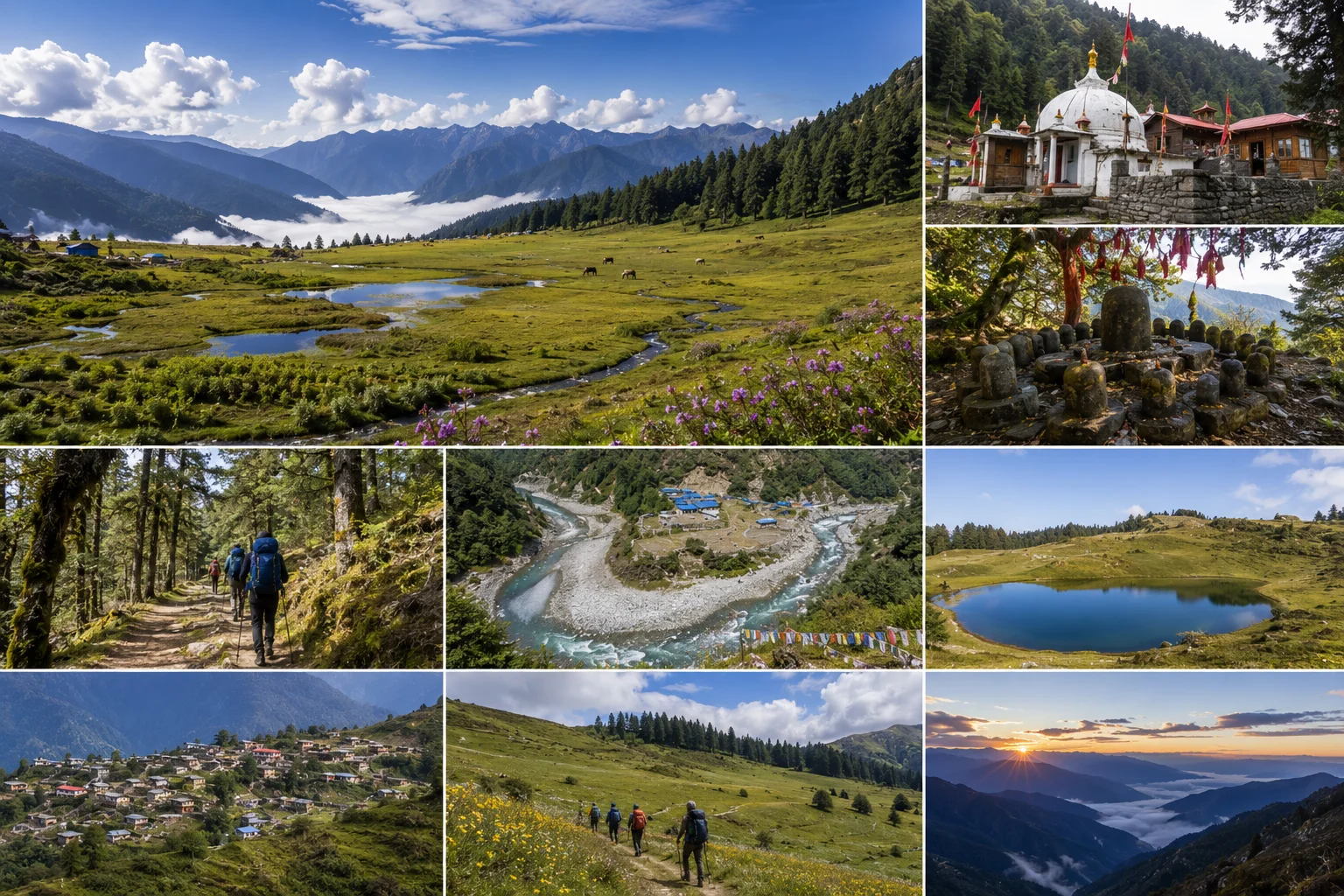
Featured
Khaptad National Park Trek
Nepal
Moderate
7 Days
Custom Pricing Available
Contact for a tailored quote
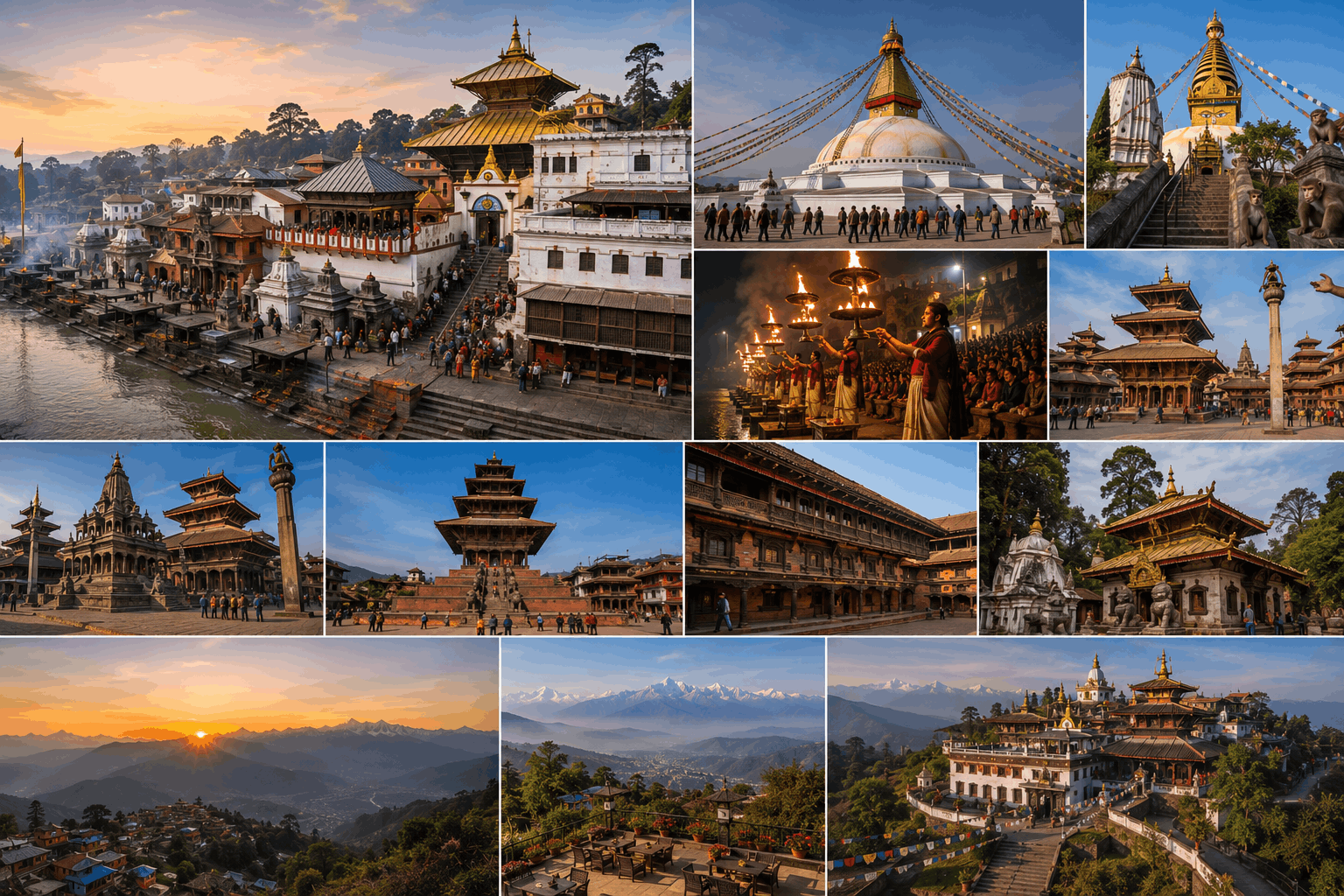
Featured
Pashupatinath Darshan and Kathmandu Tour (3 Days)
Nepal
Easy
3 Days
Custom Pricing Available
Contact for a tailored quote
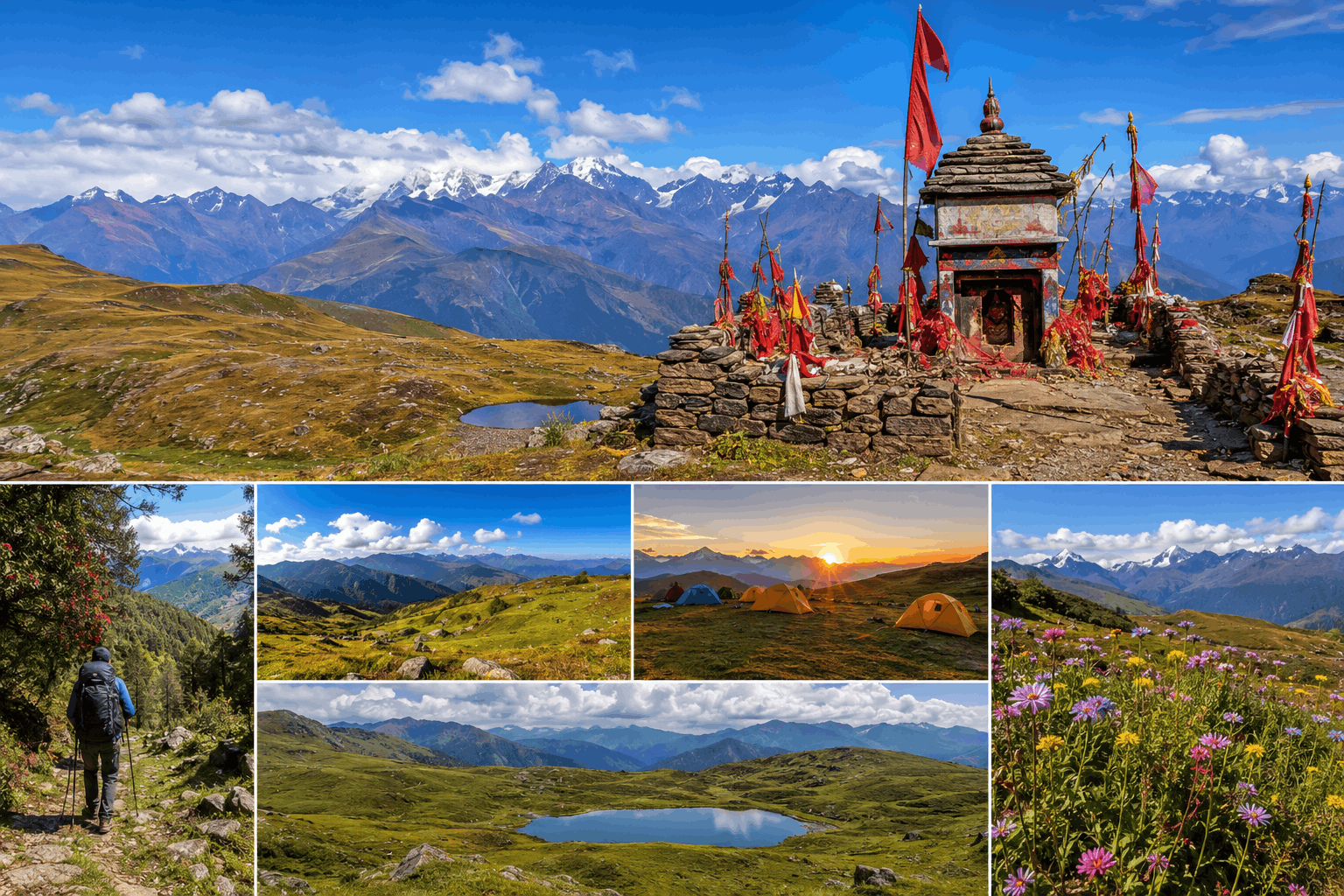
Badimalika Trek 2026: The Complete 8-Day Fast-Track Guide
Nepal
Moderate
8 Days
Custom Pricing Available
Contact for a tailored quote
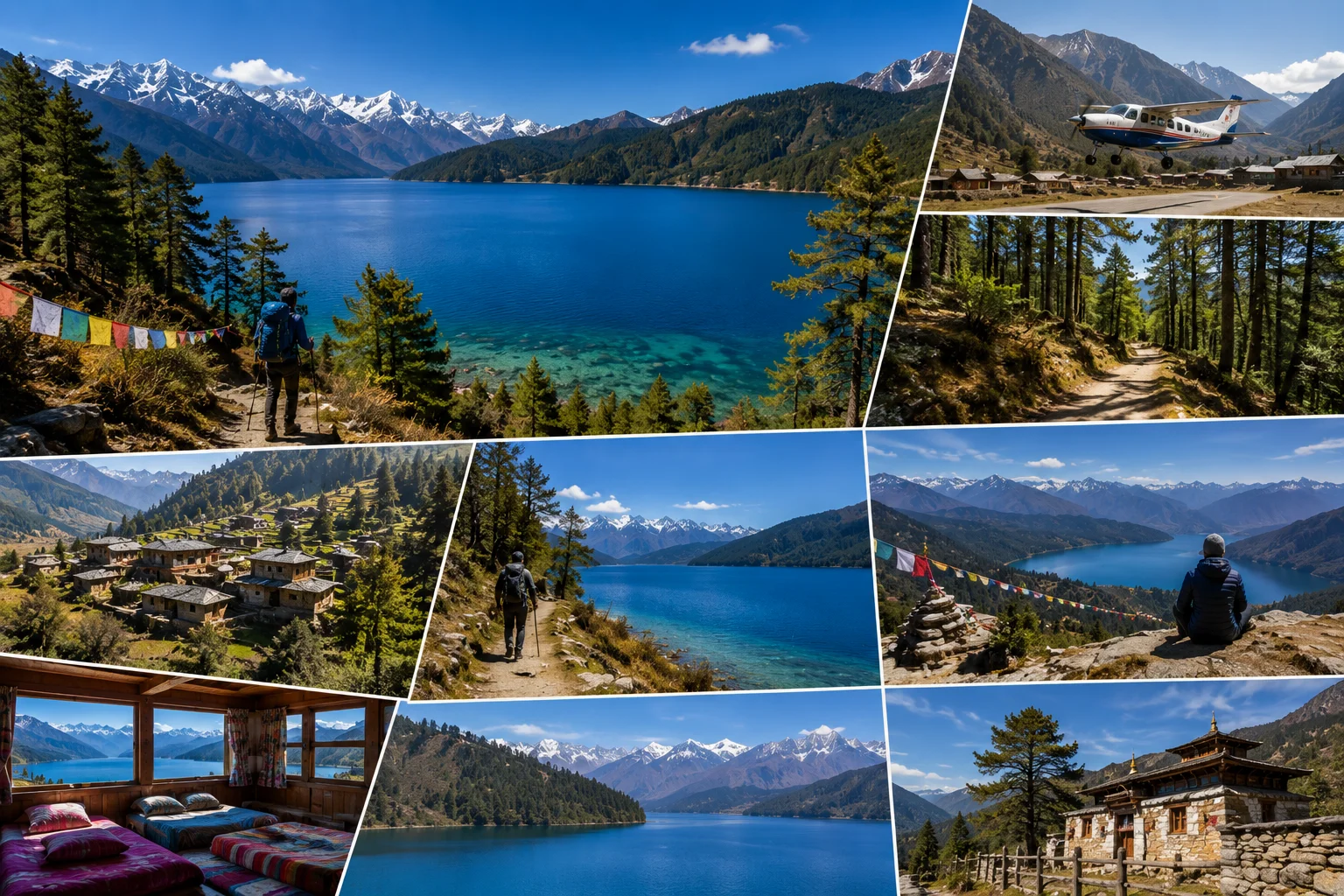
Rara Lake Trek
Nepal
Moderate
5 Days
Custom Pricing Available
Contact for a tailored quote
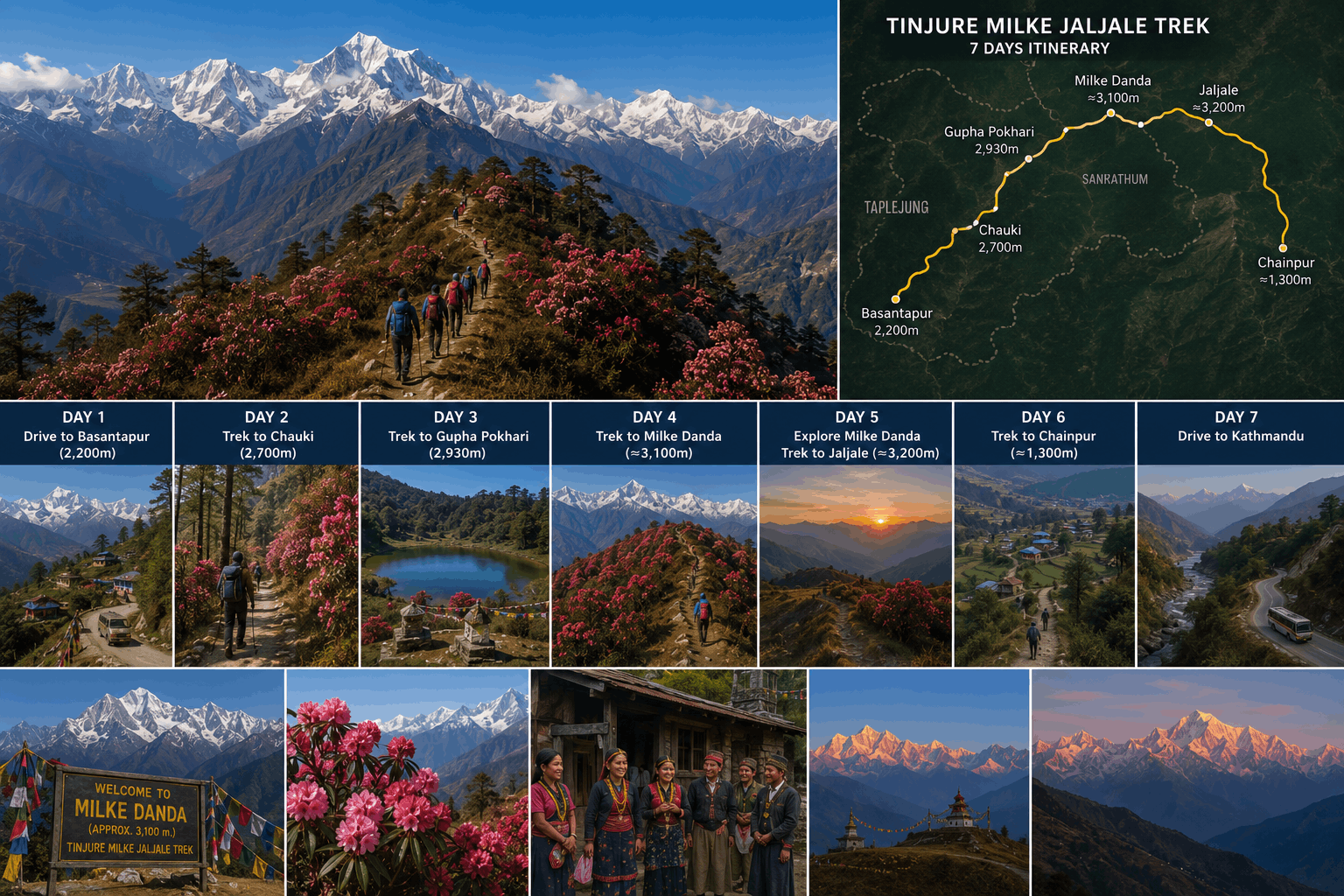
Tinjure, Milke, Jaljale Trek
Nepal
Moderate
7 Days
Custom Pricing Available
Contact for a tailored quote